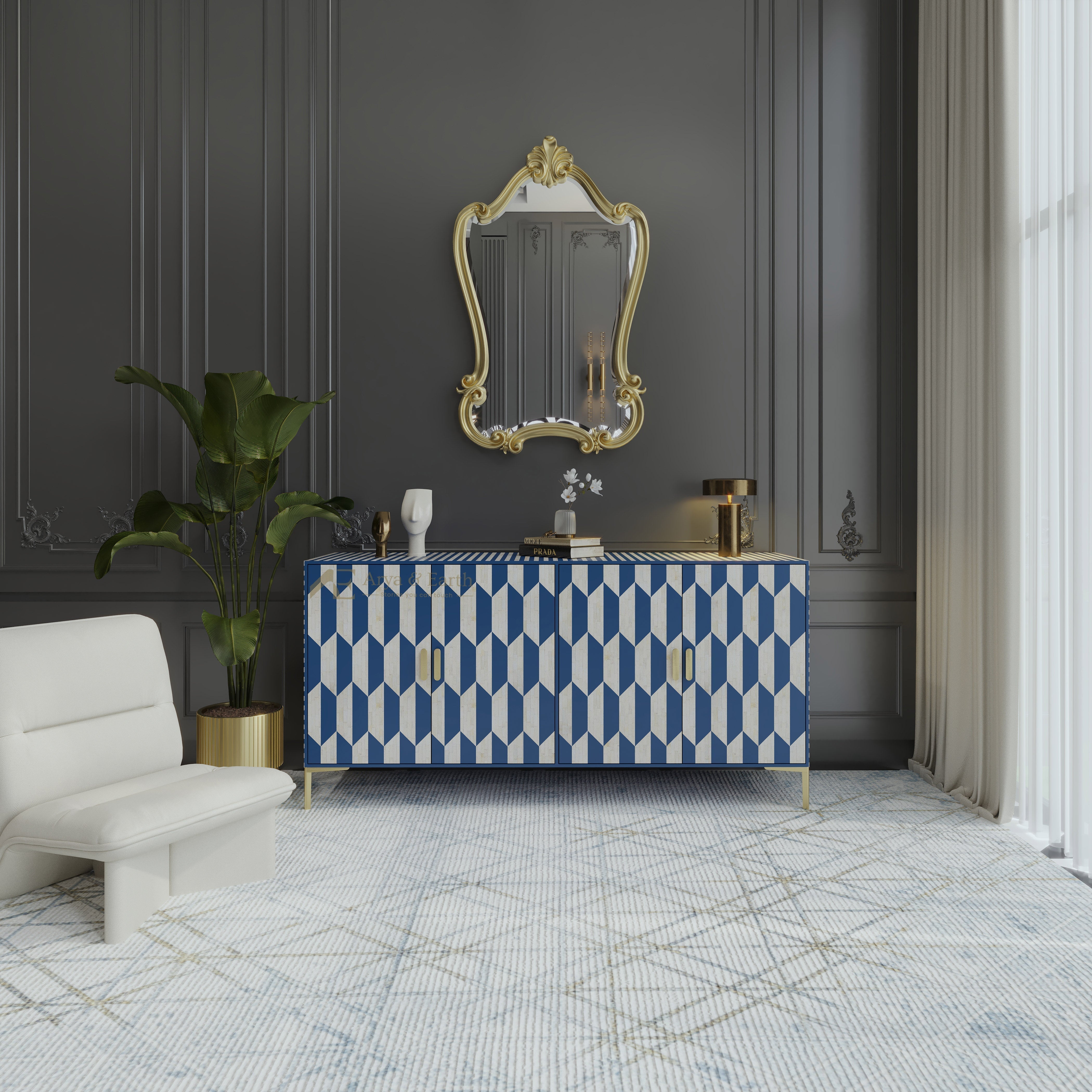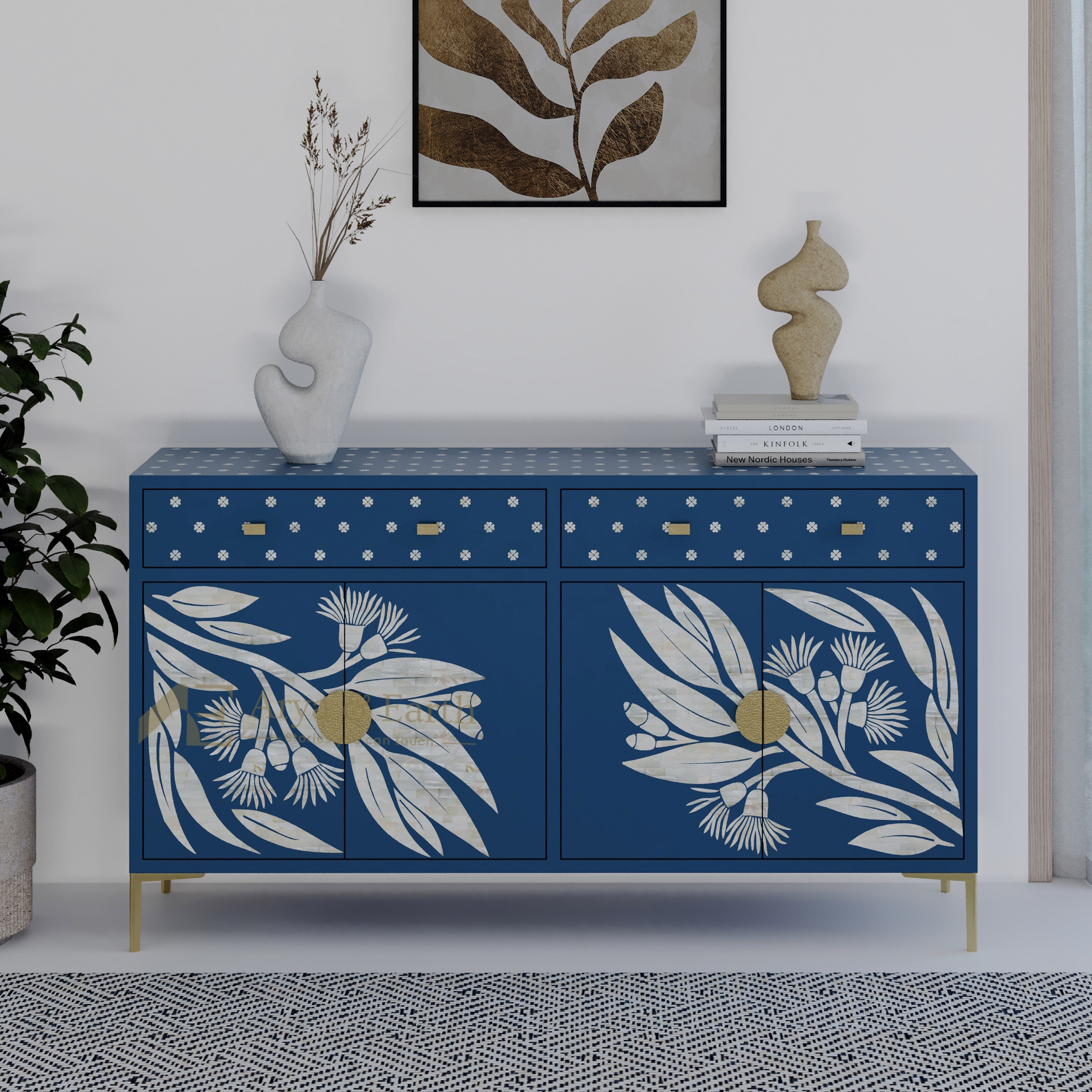
The Ultimate Guide to Bone Inlay Furniture Care: How to Clean, Shine, and Protect Your Heirloom Pieces
The Golden Rule: Stay Dry
Both bone and pearl are held in place by a resin or wood base. Moisture is the enemy of this bond.
Never "Wet Dust": Avoid using a soaking wet cloth. Water can seep into the tiny crevices between the inlay and the resin, causing the wood underneath to swell or the glue to loosen.
The Spill Drill: If you spill a liquid, blot immediately. Do not wipe, as this can push liquid further into the seams.
Coasters are Non-Negotiable: Heat and moisture from a mug can "cloud" the resin or cause the delicate bone fragments to lift.
Dusting and Daily Care
Dust is abrasive; over time, it can dull the natural luster of mother of pearl.
The Microfiber Method: Use a soft, lint-free microfiber cloth. A light, circular motion is usually all you need to keep the shine alive.
The Crevice Trick: Because inlay has a textured surface, dust can settle in the resin lines. Use a soft-bristled toothbrush or a clean makeup brush to gently flick out debris from the intricate patterns.
Choosing Your "Cleaners" (Less is More)
Most commercial furniture polishes contain silicones or harsh chemicals that can yellow the bone or degrade the resin.
Skip the Chemicals: Avoid bleach, ammonia, and all-purpose sprays.
The Mild Solution: If the piece is actually dirty (sticky fingerprints, etc.), use a slightly damp cloth with a drop of pH-neutral soap. Immediately follow up with a dry cloth to remove any trace of moisture.
Natural Oils: A tiny amount of colorless lemon oil applied once a year can keep the bone from becoming brittle, but use it sparingly.
Environment Matters: Sunlight and Humidity
Organic materials like bone and shell are "active"—they react to the world around them.
Sunlight
Direct UV rays are the fastest way to ruin an inlay piece. Constant sun can:
Yellow the bone: Turning a crisp white into a dingy tan.
Brittle the resin: Leading to cracks or "popping" pieces.
Tip: Position your furniture away from south-facing windows or use UV-filtering sheer curtains.
Humidity
Bone and wood expand and contract at different rates.
The Sweet Spot: Aim for a consistent indoor humidity level (around 40–60%). Extreme dryness (like being right next to a radiator) can cause the inlay to shrink and fall out.
Summary Checklist
Daily: Dust with a dry microfibre cloth.
Monthly: Check for any loose fragments or "lifting."
Annually: Apply a light, clear furniture wax (beeswax based) to seal the surface, but ensure it is compatible with resin first.Pro Tip: When moving inlay furniture, never drag it. The vibration and floor friction can cause the delicate mosaic pieces to vibrate loose. Always lift from the base.