Article: How Much Does Bone Inlay Furniture Actually Cost?
How Much Does Bone Inlay Furniture Actually Cost?
Buyer's Guide · 2025
From a $200 side table to a $12,000 cabinet, what you're really paying for, and how to know if it's worth it.
You've fallen for bone inlay furniture and it's not hard to see why. The intricate geometric patterns, the soft lustre of the inlaid pieces, the sense that you're bringing something genuinely handcrafted into your home. But then you start browsing prices and the confusion sets in fast.
The same style of chest of drawers can be listed at $400 on one site and $4,000 on another. A dining table with almost identical patterns ranges from $800 to $6,000. What on earth explains such dramatic differences?
This guide breaks down everything that affects the price of bone inlay furniture and what those differences actually mean for quality, ethics, and longevity.
What is bone inlay furniture and why is it made by hand?
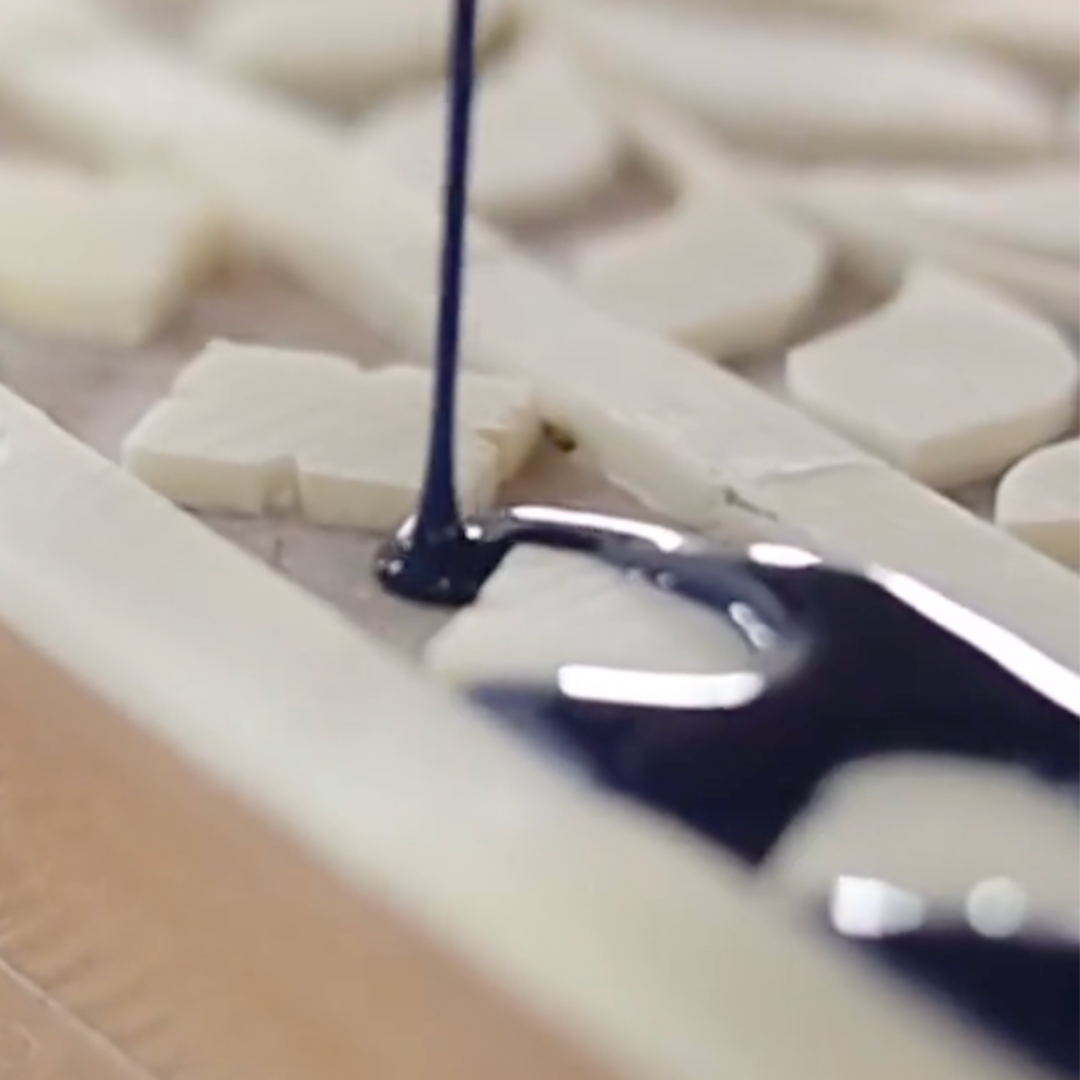
Bone inlay furniture is crafted by embedding thousands of small, individually shaped pieces of camel bone (or buffalo bone, or synthetic resin in cheaper versions) into a resin-filled wooden base. Each piece is hand-cut, hand-filed, and hand-placed by artisans, most of whom work in workshops in India.
A single chest of drawers can contain over 30,000 individual inlay pieces. A large wardrobe might have more than 100,000. This isn't a production-line process — at its most authentic, it's a weeks-long exercise in patience and precision.
That context is essential to understanding the price. When you see a piece at $350, something in the process has been abbreviated. When you see one at $4,000, you're likely looking at genuine days of skilled handwork.
Price tiers at a glance
Here's a realistic framework for how bone inlay furniture is priced across the market, using a standard 3-drawer bedside table as the benchmark piece.
In the entry/budget range, $150 to $400, pieces are often made with resin or plastic inlay instead of genuine bone. They typically feature machine-pressed patterns, an MDF or particle board base, and factory-applied coloured resin. They may look similar in photos but lack depth and durability. Key markers: synthetic inlay, MDF base, mass produced.
In the mid range, $400 to $1,200, you'll find a mix of handcrafted and semi-production methods. These pieces may use genuine bone but with simpler patterns, and a solid mango wood base is common. Quality is reasonably good for the price — this is where most online furniture retailers sit. Key markers: genuine bone, mango wood, semi-handmade.
In the premium range, $1,200 to $3,500, pieces are fully handcrafted by skilled artisans, with complex geometric or floral patterns. They use sustainably sourced bone and a solid hardwood base with quality hardware, and are often sourced directly from Rajasthan workshops or sold through boutique retailers. Key markers: full handcraft, hardwood base, complex patterns.
In the luxury and bespoke range, $3,500+, you're looking at custom commissions, rare patterns, mother of pearl inlay, exotic wood bases, or antique pieces. These often involve weeks of bespoke work, international shipping coordination, and provenance documentation. Key markers: bespoke/custom, mother of pearl, antique.
The 5 factors that drive up cost
Price in this category is rarely arbitrary. Here are the specific variables that move the number, and why each one matters.
Material type: genuine camel or buffalo bone costs significantly more to source and prepare than synthetic resin alternatives. Bone must be cleaned, bleached, dried, and sliced before artisans can work with it.
Base wood quality: solid mango wood, sheesham (Indian rosewood), or teak bases cost 3 to 5 times more than MDF or particle board. The base affects structural longevity as much as it affects price.
Labour hours: a simple chevron pattern on a small side table might take one artisan two or three days. An intricate floral medallion design on a large chest can take a small team two weeks. Time is the biggest cost variable.
Pattern complexity: tighter, more intricate patterns — smaller individual pieces, more colour transitions, curved motifs — require more skill and significantly more time than simple geometric repeat patterns.
Piece size: a wardrobe can require 5 to 10 times the labour and materials of a side table, but rarely costs 5 to 10 times as much. Large pieces are somewhat better value per square metre of inlay work.
Hardware and finish: solid brass hardware, quality lacquer finish, and hand-distressed frames add cost but also add the finishing detail that separates a beautiful piece from a merely functional one.
Smart buyer's tip: if a piece is being sold at a price that seems too good for its described quality, ask the seller directly what the inlay material is, what the base wood is, and whether it's handmade or machine-pressed. Reputable sellers will answer these questions readily — evasive answers are a red flag.
A genuine bone inlay side table might contain over 8,000 individually placed pieces. Understanding that helps even the "expensive" version start to look like good value for skilled human labour.
Bone inlay vs mother of pearl: which costs more?
This is one of the most common questions buyers have, and the answer matters both aesthetically and financially.
Base material: bone inlay uses camel or buffalo bone, while mother of pearl uses shell, such as abalone, oyster, or trochus.
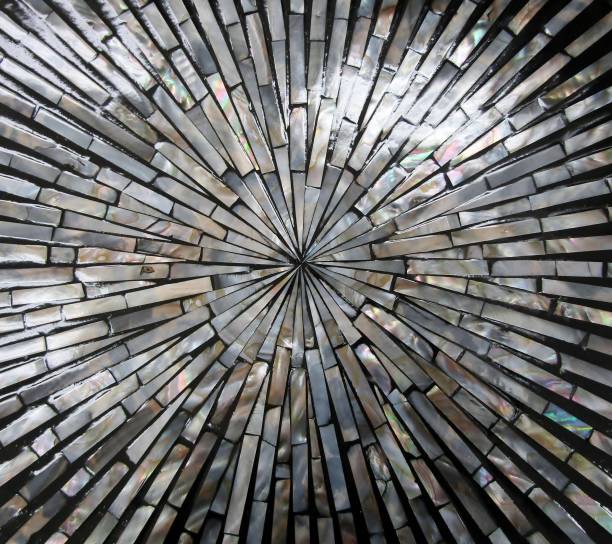
Visual quality: bone inlay has a matt, clean, matte lustre, while mother of pearl is iridescent, reflective, and prismatic.
Typical price premium: bone inlay is the baseline reference, while mother of pearl typically costs 30 to 80% more.
Fragility: bone inlay is more robust, while mother of pearl is more delicate and chips more easily.
Colour versatility: bone inlay can be dyed many colours, while mother of pearl has natural iridescence that's harder to dye.
Common uses: bone inlay is used in furniture and decorative boxes, while mother of pearl appears in high-end furniture, musical instruments, and jewellery.
Best for: bone inlay suits bold, graphic, pattern-focused pieces, while mother of pearl suits subtle luxury and light-catching statement pieces.
Many premium pieces combine both materials — bone for the structural pattern field and mother of pearl as accent inlays or border details. These combination pieces command a significant premium, often 50 to 100% above equivalent bone-only work.
Is it worth spending more?
If you're buying a centrepiece piece — a wardrobe, a statement dresser, a dining table — spending at the premium tier is almost always worth it. These are pieces you'll live with for 20+ years, and the quality gap between mid and premium is significant: the base wood is more stable, the inlay is denser and more precisely placed, and the finish will hold up far better to Australian humidity and temperature variation.
Budget pieces under $300 for a bedside table almost universally use synthetic resin inlay and MDF bases. These look similar in photographs but feel immediately different in person — the surface lacks depth, the edges are sharper and more uniform, and the whole piece can feel light and slightly hollow. They're also far more vulnerable to moisture damage. For pieces that will be handled daily, the budget tier is rarely worth the saving.
The longevity test: a well-made bone inlay piece from an Indian workshop, properly cared for, will outlast most modern furniture. The traditional lacquer and resin bonding technique is centuries old and extremely durable. When you divide the cost by the likely lifespan, even premium pieces represent excellent value compared to fast-furniture alternatives.
Questions people ask about bone inlay prices
Why is the same-looking piece so much cheaper on some websites? Usually because of one or more of the following: synthetic inlay instead of real bone; an MDF base instead of solid wood; simpler patterns that look similar in photographs but are much less intricate in person; or a supplier further up the supply chain selling direct without retail markup. It's also worth checking if the stated dimensions are smaller than they appear.
Are antique bone inlay pieces worth more? Genuine antique pieces from the 19th and early 20th centuries — particularly Mughal-era or Victorian Anglo-Indian pieces — can be extraordinarily valuable, sometimes reaching five figures at auction. However, the "antique" label is frequently misused in the market. Unless you have provenance documentation and ideally expert verification, treat any antique claim with scepticism.
Does custom or bespoke inlay cost much more than stock designs? Custom commissions typically add 25 to 60% to a comparable stock piece, depending on pattern complexity. Lead times are also significantly longer — 8 to 16 weeks is common for a bespoke piece shipped from India. The upside is that you get exactly the dimensions, pattern, and colour palette you want, with no compromise.
Is ethically or sustainably sourced bone inlay more expensive? It can be, but not always dramatically so. The bone used in quality inlay furniture is primarily a byproduct of the meat industry — camel and buffalo bone that would otherwise be discarded. Suppliers who can document the ethical sourcing of their bone sometimes charge a small premium, and increasingly this is a marketing point for premium-tier sellers. The synthetic alternatives (resin, acrylic) sidestep the animal sourcing question entirely but are generally lower quality.
The bottom line on bone inlay pricing
Bone inlay furniture rewards those who understand what they're paying for. The price gap between tiers is real, and it reflects real differences in materials, labour, and longevity. Buy with clarity about where a piece sits in the market and you're unlikely to be disappointed.
Key takeaways: genuine bone vs synthetic resin, solid wood base matters, labour hours equal value, ask about provenance, premium pieces last decades.